
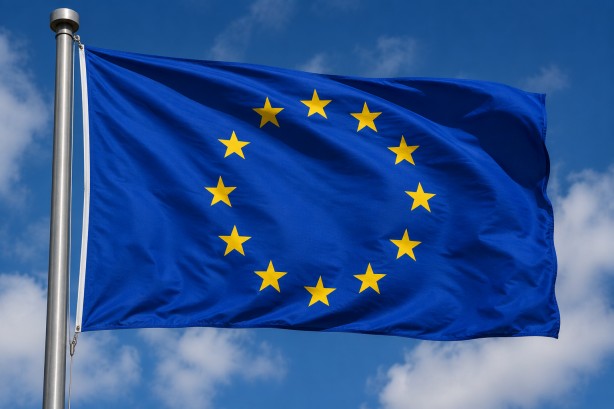
The European Union has stepped up its engagement in the ongoing Cyprus conflict by appointing new envoys and reaffirming its support for the United Nations-led peace initiative. This move comes ahead of a much-anticipated visit by UN Secretary-General António Guterres. However, the EU’s involvement has been met with skepticism from Turkish Cypriot authorities, who question the bloc’s ability to remain neutral. They argue that since the Republic of Cyprus is already an EU member, the organization cannot be an impartial mediator.
Adding to their concerns, the Turkish Cypriot side criticized the EU for not consulting them before appointing a new envoy for Cyprus. This decision has highlighted the complexities surrounding the EU’s role in the peace process, where it aims to act as a bridge-builder between the two communities. Despite the criticism, the European Commission has stated that its special representative will focus on fostering trust and supporting the renewal of negotiations within the UN framework.
The Cyprus issue has been a longstanding geopolitical challenge, with peace talks coming to a halt in 2017. The island remains divided, and the Turkish Cypriot leadership insists that any future discussions must acknowledge their sovereign equality and equal international status before formal negotiations can proceed.
EU officials have reiterated their commitment to facilitating a lasting resolution to the Cyprus dispute. They emphasize the importance of supporting UN-led efforts and believe that the appointment of a special representative can contribute to advancing the peace process.
As the international community watches closely, the EU’s renewed focus on Cyprus underscores the urgency of finding a sustainable solution to a conflict that has persisted for decades. With the upcoming visit from the UN Secretary-General, there is hope that diplomatic efforts may gain fresh momentum, providing a pathway towards reconciliation and stability on the island.